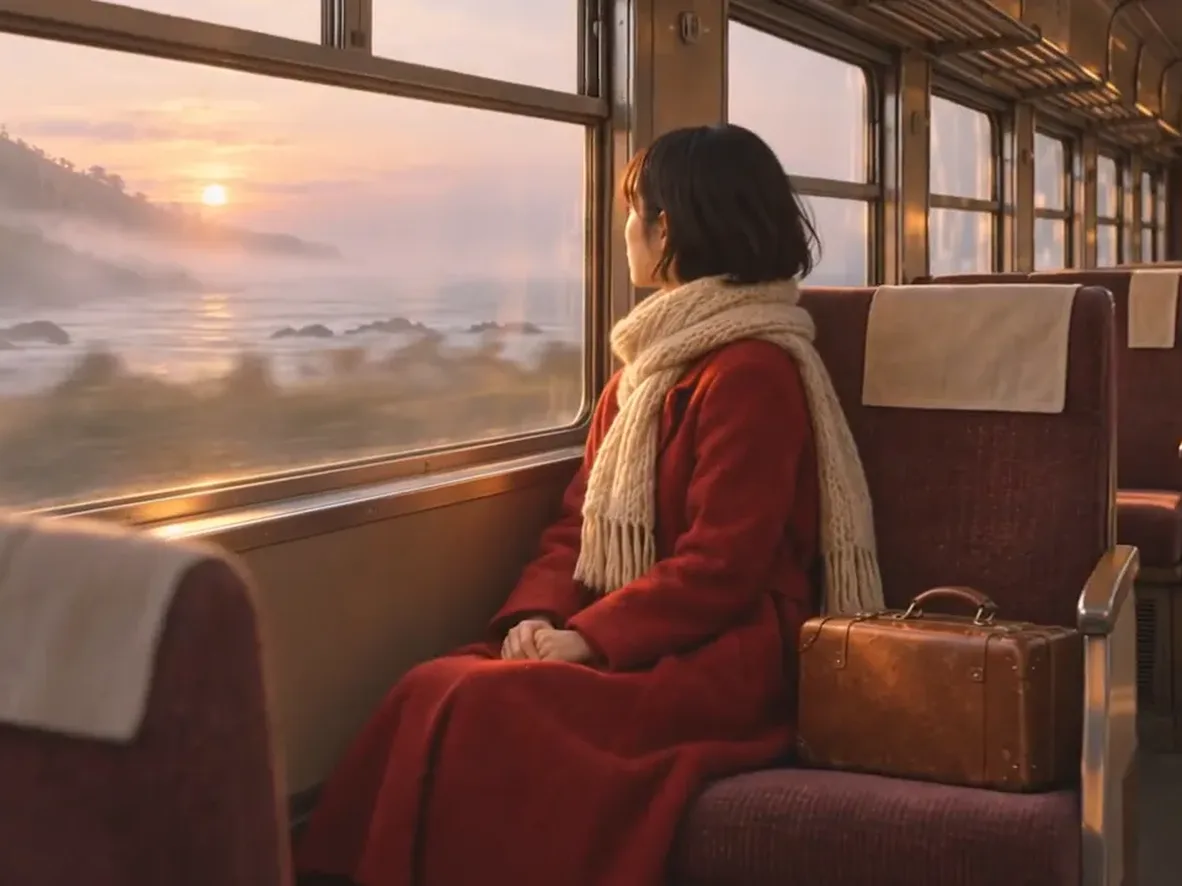
GPT Image 2.6 (released by OpenAI as ChatGPT Images 2.6 on November 4, 2026) adds native looping GIFs, editable 1K SVG vectors, a three-level complexity planning control, and steadier reference-locked photo edits across two identically priced variants: Flare for speed and Sunburst for strict spatial and typographic precision. Instead of paraphrasing launch notes, we ran 24 real generations across 12 commercial, editorial, architectural, and motion tests in ChatCut, timing every job and verifying every settled credit charge (6.30 credits total). Browse the finished visuals and live looping GIFs below first, then jump to the settings, copyable prompts, and fixes behind each test.


How Do GPT Image 2.6 Flare, Sunburst, Quality, and Complexity Compare?
OpenAI launched ChatGPT Images 2.6 and its System Card on November 4, 2026, building on April’s GPT Image 2 and September’s 2.5 split. In ChatGPT’s consumer chat interface, everyday prompts route through Flare while harder multi-constraint layouts escalate to Sunburst automatically. In ChatCut, you pick GPT Image 2.6 Flare or GPT Image 2.6 Sunburst directly and control resolution, aspect ratio, quality, complexity, and output format up front.
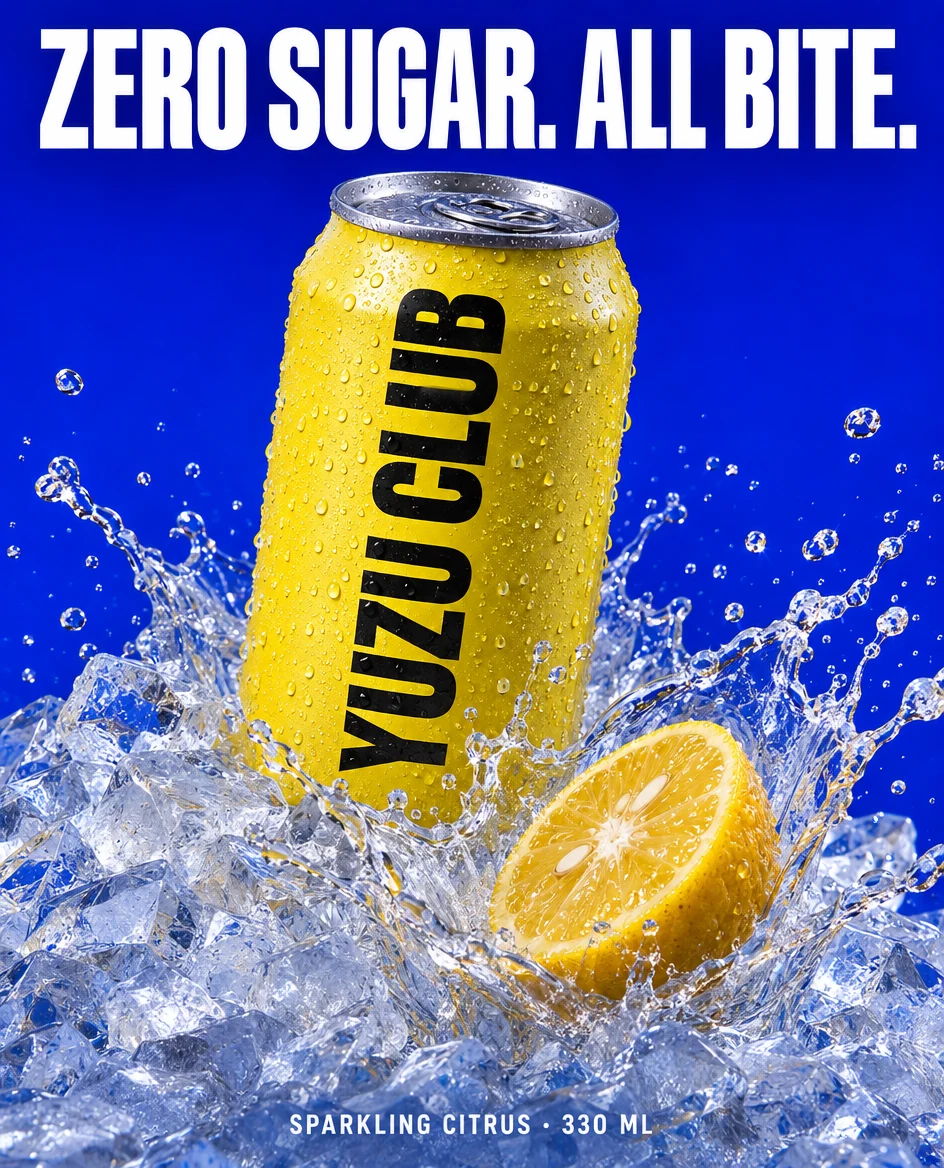
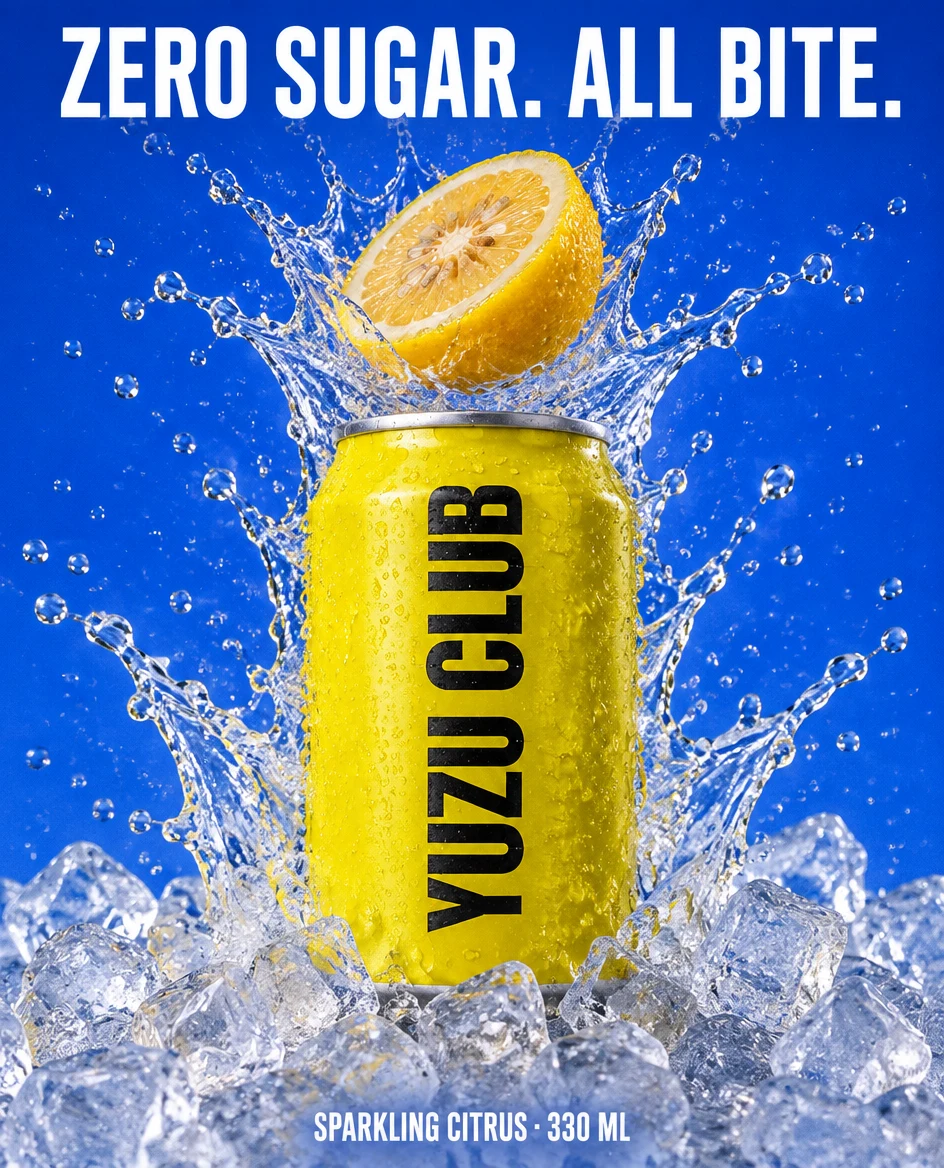
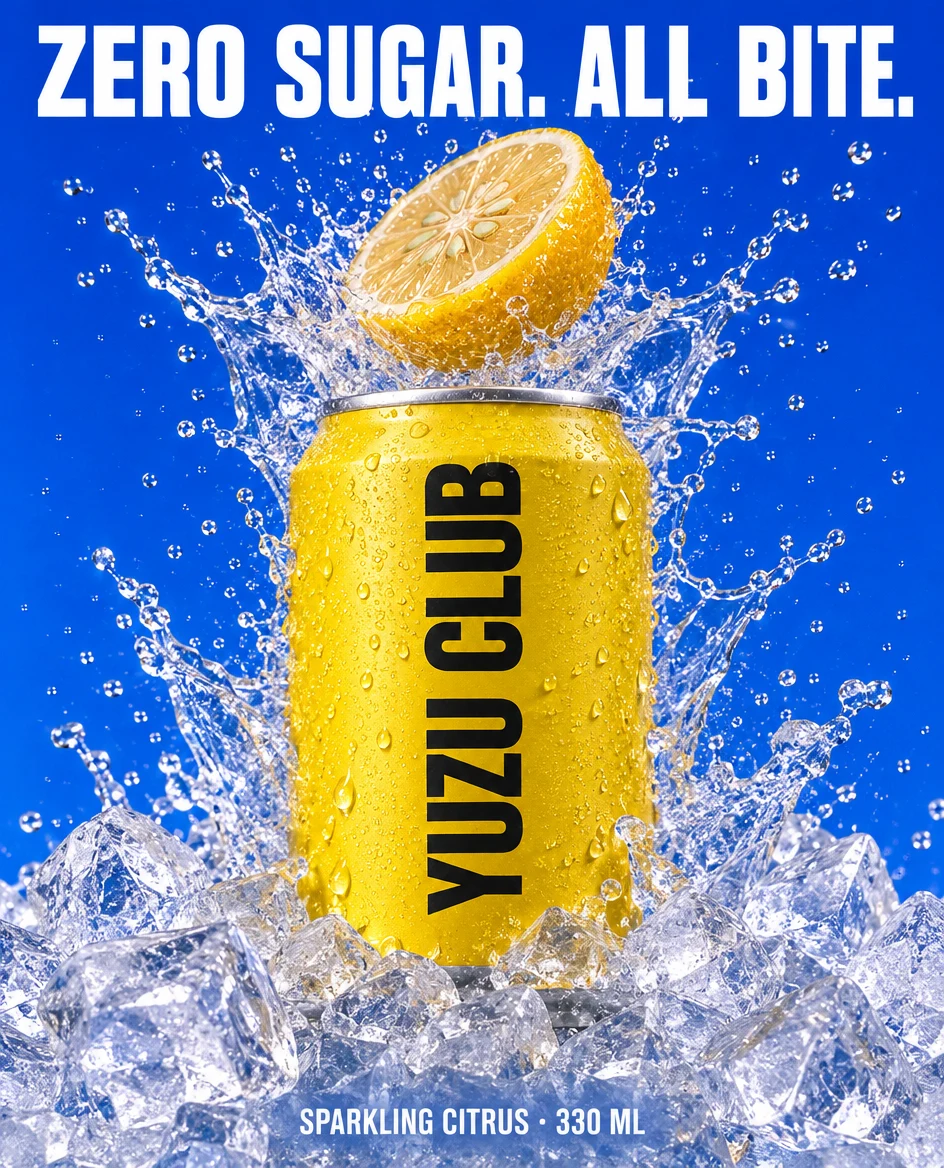
To measure real speed and cost without network batch distortion, we ran the exact same 4:5 commercial beverage strobe prompt seven times one after another: three alternating runs on Flare high, three on Sunburst high, and one draft check on Flare low.
| Variant & setting (4:5, 1K) | Runs | Generation time | Output image tokens | Settled credits | What differed on screen |
|---|---|---|---|---|---|
| GPT Image 2.6 Flare · high quality | 3 | 21s median (20s, 21s, 21s) | 1,454 | 0.22 | 3/3 spelled all copy right; floated halved yuzu above the can for dramatic symmetry |
| GPT Image 2.6 Sunburst · high quality | 3 | 54s median (53s, 54s, 58s) | 1,453 | 0.22 | 3/3 spelled all copy right; obeyed “around the base” literally + sharper pull-tab metal |
| GPT Image 2.6 Flare · low quality | 1 | 22s | 681 | 0.11 | Half the output tokens of high (vs ~1/9th in 2.5); clean ad copy, slightly softer ice |
Three practical rules came out of Test 1:
- Flare and Sunburst cost the exact same credits at matching settings. On 4:5 at 1K high, both settled at 0.22 credits; on 16:9 at 1K high, both settle at 0.15 credits. Start on Flare when iterating lighting or framing in 15 to 22 seconds, and switch to Sunburst when exact spatial prepositions (“beside the base”, “third shelf from left”) matter.
- Low quality is now a usable half-price layout draft. In 2.5, low quality dropped to roughly one-ninth of high’s token budget and mangled small lettering. In 2.6, low uses nearly half of high’s output tokens (681 vs 1,454 on 4:5) and kept “ZERO SUGAR. ALL BITE.” and “SPARKLING CITRUS · 330 ML” readable at 0.11 credits.
- Aspect ratio changes token count. At 1K high without references, 16:9 settled at 0.15 credits (1,002 tokens), 3:4 at 0.20 credits (1,344 tokens), 4:5 at 0.22 credits (1,453 tokens), and 1:1 at 0.27 credits (1,796 tokens).
Test 1 benchmark prompt · 0.22 credits at 1K high (Flare 21s median, Sunburst 54s median) · 0.11 credits on Flare low.
What Complexity Low vs High Changes on Multi-Callout Layouts (Test 2)
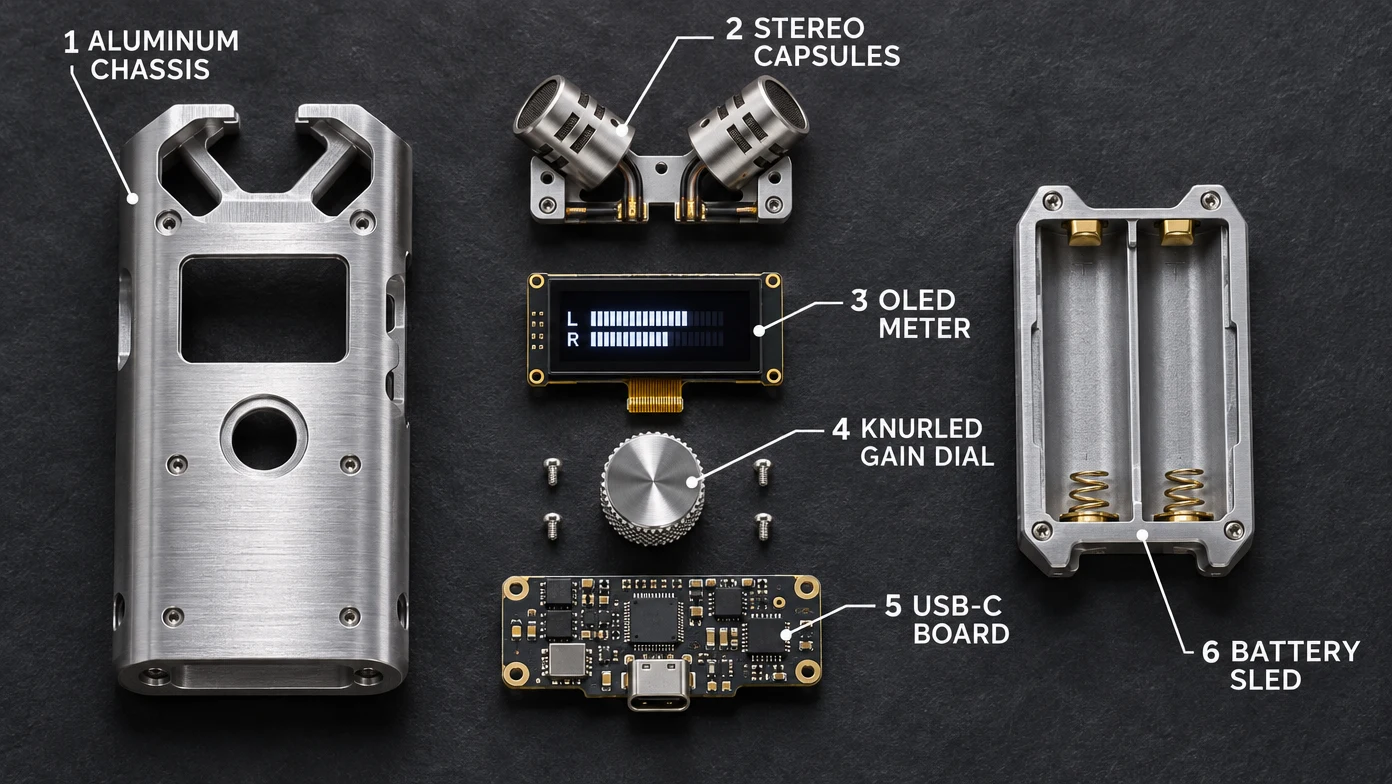
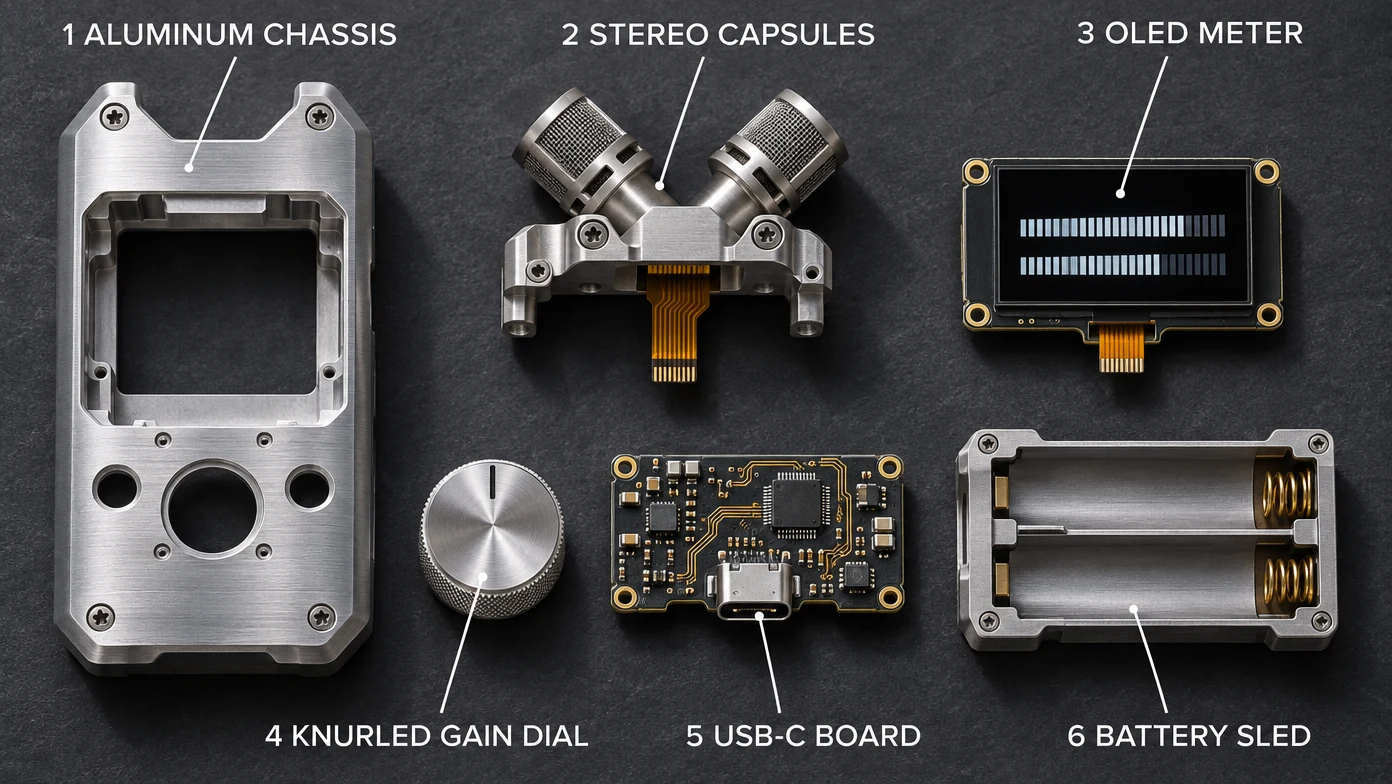
GPT Image 2.6 exposes a separate complexity parameter (low, medium, high, defaulting to high) that controls how long the model plans layout geometry before painting pixels. On a 16:9 industrial teardown of a portable field recorder with six labeled aluminum modules, both low and high complexity emitted the exact same 1,002 output image tokens and settled at 0.15 credits.
The extra 18 seconds on high complexity went entirely into spatial discipline: low complexity grouped four parts down the center with right-angle bent leader lines, whereas high complexity arranged a symmetrical 3×2 grid with straight, uncrossed callouts and sharper machining ribs inside the milled chassis. Keep complexity on high for diagrams, infographics, and architectural drawings; drop it to low on single-subject edits (Tests 9–11) to shave 15 to 20 seconds off Sunburst runs for free.
Test 2 · Sunburst 16:9 1K high · 0.15 credits at both low (~34s) and high (~52s) complexity.
How Do Looping GIFs Work in GPT Image 2.6? (Tests 3 & 4)
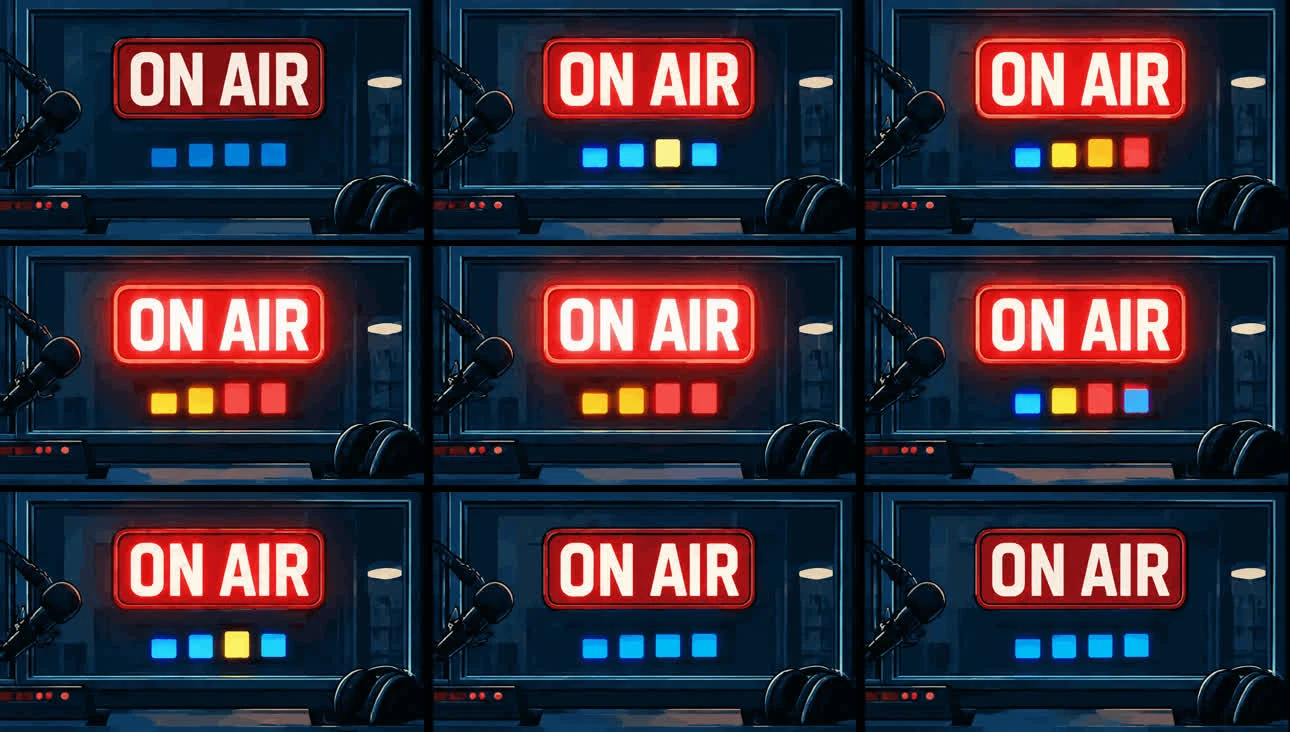
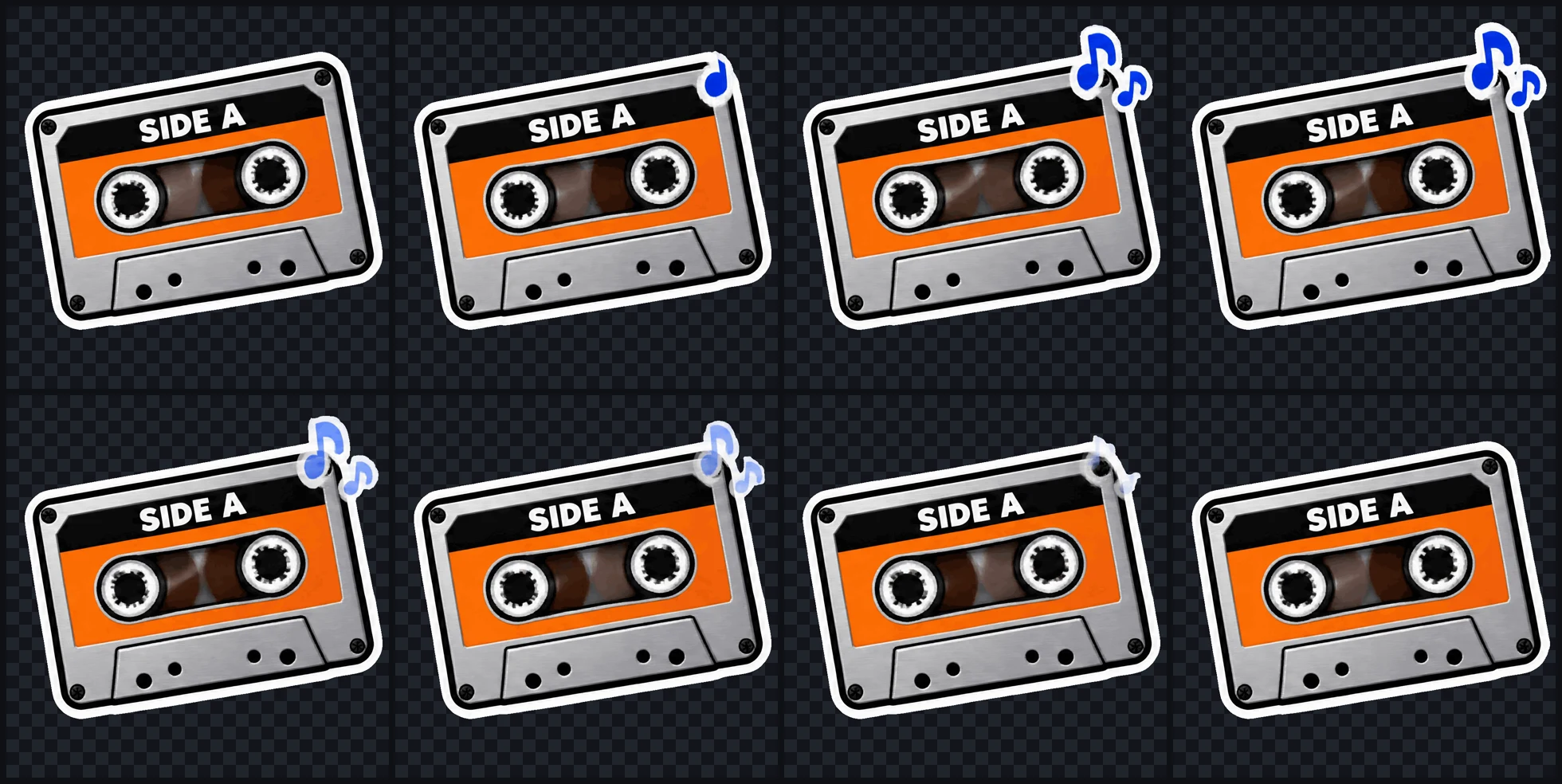
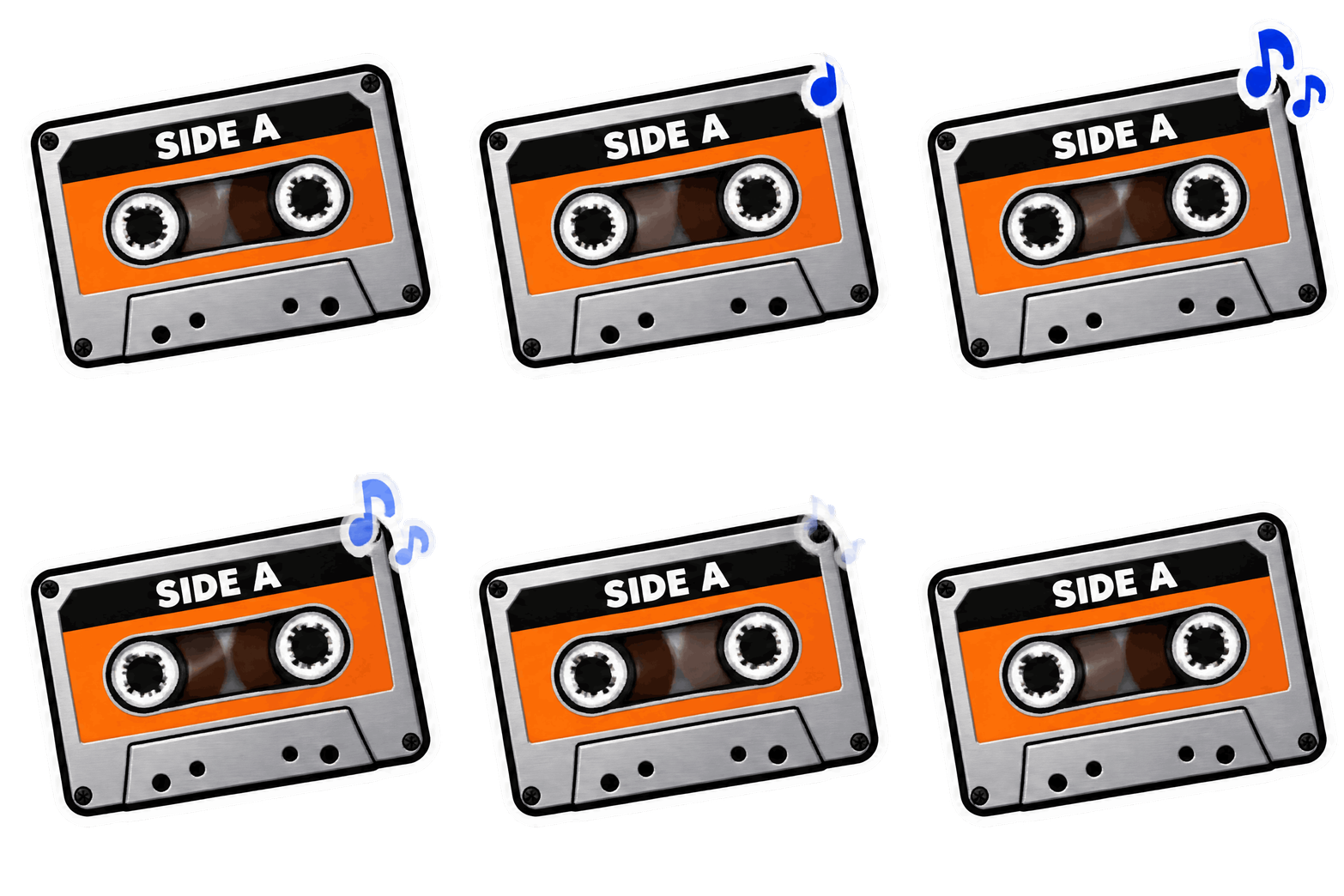
The two animated loops in the opening gallery, the 16:9 “ON AIR” studio booth (t03-neon-on-air.gif) and the 1:1 “SIDE A” cassette sticker (t04-cassette-sticker.gif), were generated natively with outputFormat: "gif" at 1K on GPT Image 2.6 Flare. Under the hood, Images 2.6 renders 2 to 16 frames onto a single 1K sprite sheet, slices them apart, and encodes a looping GIF:
- Frame count trades off against per-frame pixel dimensions. Because every frame shares one 1K sheet, our 9-frame 16:9 broadcast booth loop output at 1280×720 px (3,337 output tokens, 0.49 credits, ~24s, 1.13 MB), while our 8-frame 1:1 transparent cassette sticker output at 960×960 px (2,700 output tokens, 0.40 credits, ~23s, 1.12 MB). Any count up to 8 frames bills at the 8-frame tier, so 8 or 9 frames at 150 to 200 ms is the sweet spot.
- State the cyclic return explicitly. In Test 3, specifying that frame 1 starts at a dim resting glow, frames 3–6 peak in bright vermilion with rising equalizer bars, and frame 9 settles back to frame 1’s exact four blue bars kept the mic boom, window mullions, and lettering locked across all nine frames.
- Transparent GIFs write real outer alpha. Setting
background: "transparent"on Test 4 produced a true BGRA matte with a crisp white kiss-cut sticker border that drops straight onto a ChatCut video track without chroma keying. For 15 more loop recipes and frame-count math, see our dedicated ChatGPT Images 2.6 GIF guide.
Test 3 · Flare 16:9 1K GIF · 9 frames × 180 ms (1.62s loop) · 1280×720 px · 0.49 credits.
Test 4 · Flare 1:1 1K transparent GIF · 8 frames × 150 ms (1.20s loop) · 960×960 px BGRA · 0.40 credits.
Can GPT Image 2.6 Export Editable SVGs and Transparent PNG Stickers? (Tests 5 & 6)


Native vector export (outputFormat: "svg" at 1K) writes clean, human-readable XML with semantic group IDs (#film-gate, #aperture, #registration-dot, #wordmark) rather than messy auto-traced splines. Our first pass on Test 5A exposed the single most common SVG pitfall, and Test 5B proved a one-sentence fix that also lowers the bill:
- Without guidance (Test 5A, 0.55 credits): Flare drew “KINO CLUB” as eight separate
<path id="letter-...">outlines. Hand-calculating glyph coordinates causedletter-u(ending at x=867) andletter-b(starting at x=866) to touch, and locked the brand name into uneditable curves. - With the
<text>rule (Test 5B, 0.47 credits): Asking Sunburst for a single centered<text>element (text-anchor="middle") fixed the kerning, kept the wordmark live-editable in Figma or Illustrator, and settled 15% below the quote (0.47 vs 0.66 estimated credits) because one<text>node emits fewer XML tokens than eight outlined glyphs:
<g id="wordmark">
  <text id="kino-club-text" x="528" y="924" text-anchor="middle" fill="#070707"
    font-family="Helvetica Neue, Helvetica, Arial, Univers, sans-serif"
    font-size="126" font-weight="700" letter-spacing="10">KINO CLUB</text>
</g>Test 5B · Sunburst 1:1 1K SVG · 36 lines of semantic XML · 0.47 settled credits (quoted 0.66).
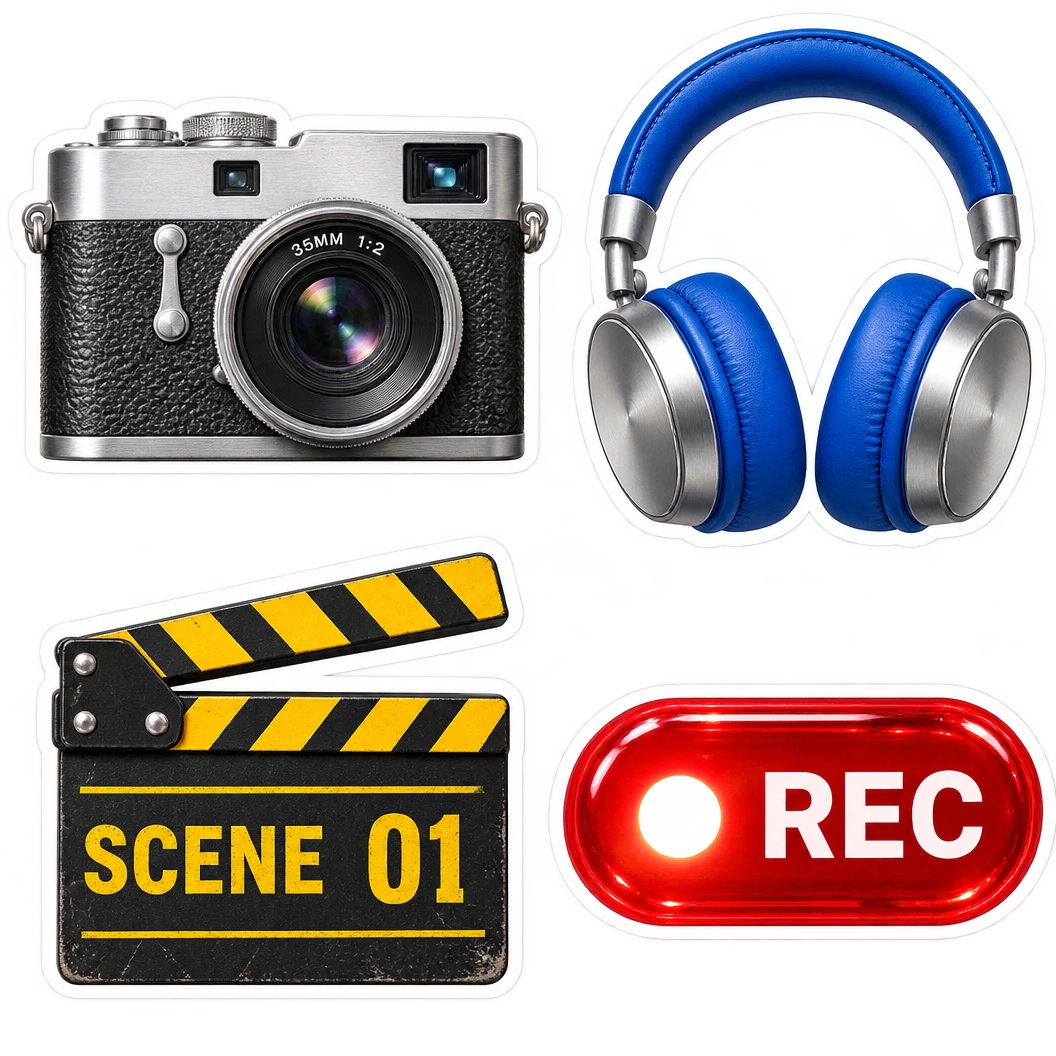
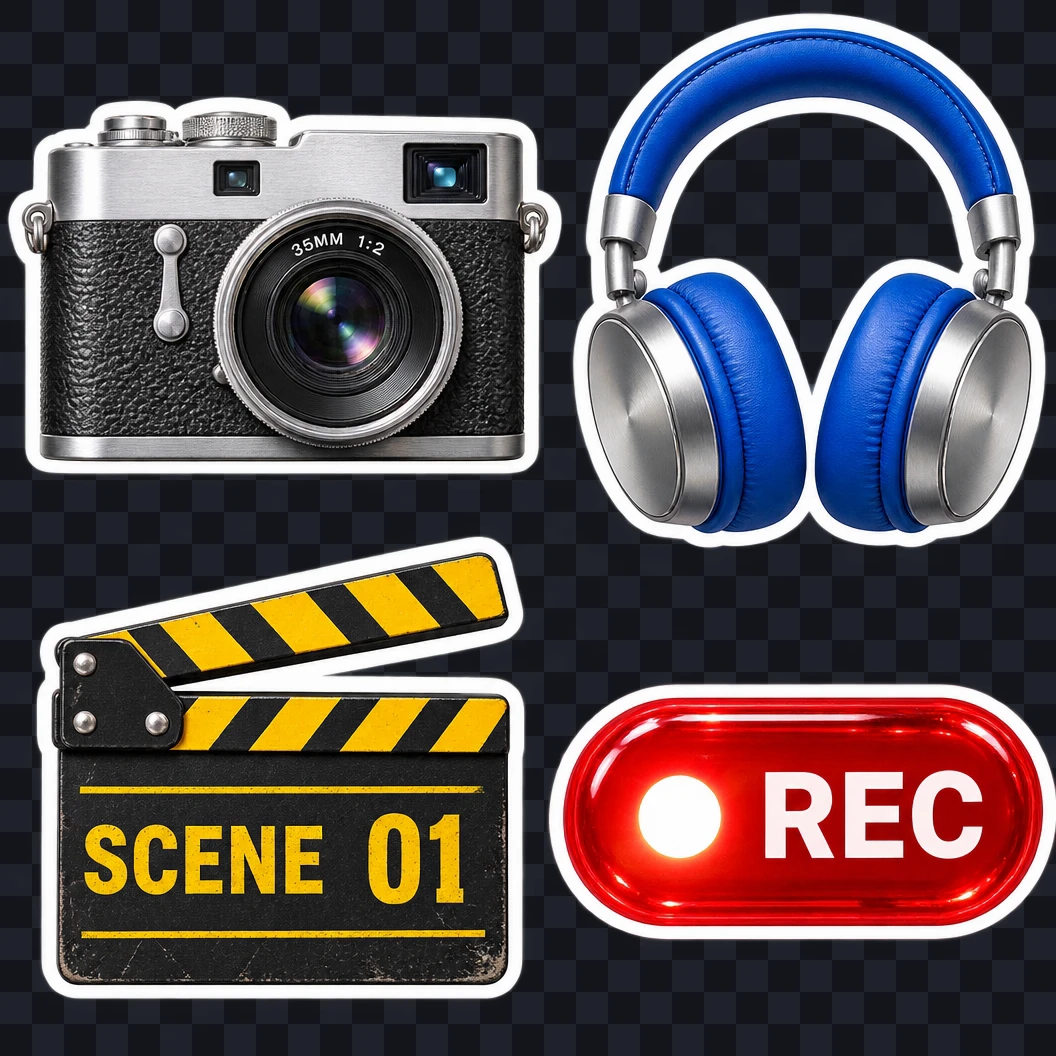
For photographic sticker overlays rather than flat geometric marks, Test 6 (background: "transparent", outputFormat: "png" on Flare at 1K high, 0.27 credits, ~15s) delivered real studio macro textures (pebbled camera leatherette, spun-aluminum earcups, scuffed yellow clapper stripes, and glowing acrylic red plastic) wrapped in white kiss-cut vinyl borders. Two details from our run are worth copying:
- Specify “unbranded with no manufacturer logos” on cameras, headphones, and electronics. Our first pass at 0.27 credits invented real-world camera and audio brand marks on the lens bezel and earcup; adding “completely unbranded with no manufacturer logos” and specifying “35MM 1:2” on the lens ring cleaned both up on the next 0.27-credit run.
- Ask for transparent cutouts inside enclosed loops. Naming “a clean transparent cutout inside the headband arch” prevented opaque white fill from trapping the space under the headphone band and inside the open clapperboard jaw (visible in the dark checkerboard proof in our opening gallery).
How Accurate Is Multi-Line and Bilingual Chinese Typography? (Tests 7 & 8)
Typography is where GPT Image 2.6 pulls clearest ahead of earlier diffusion generators:
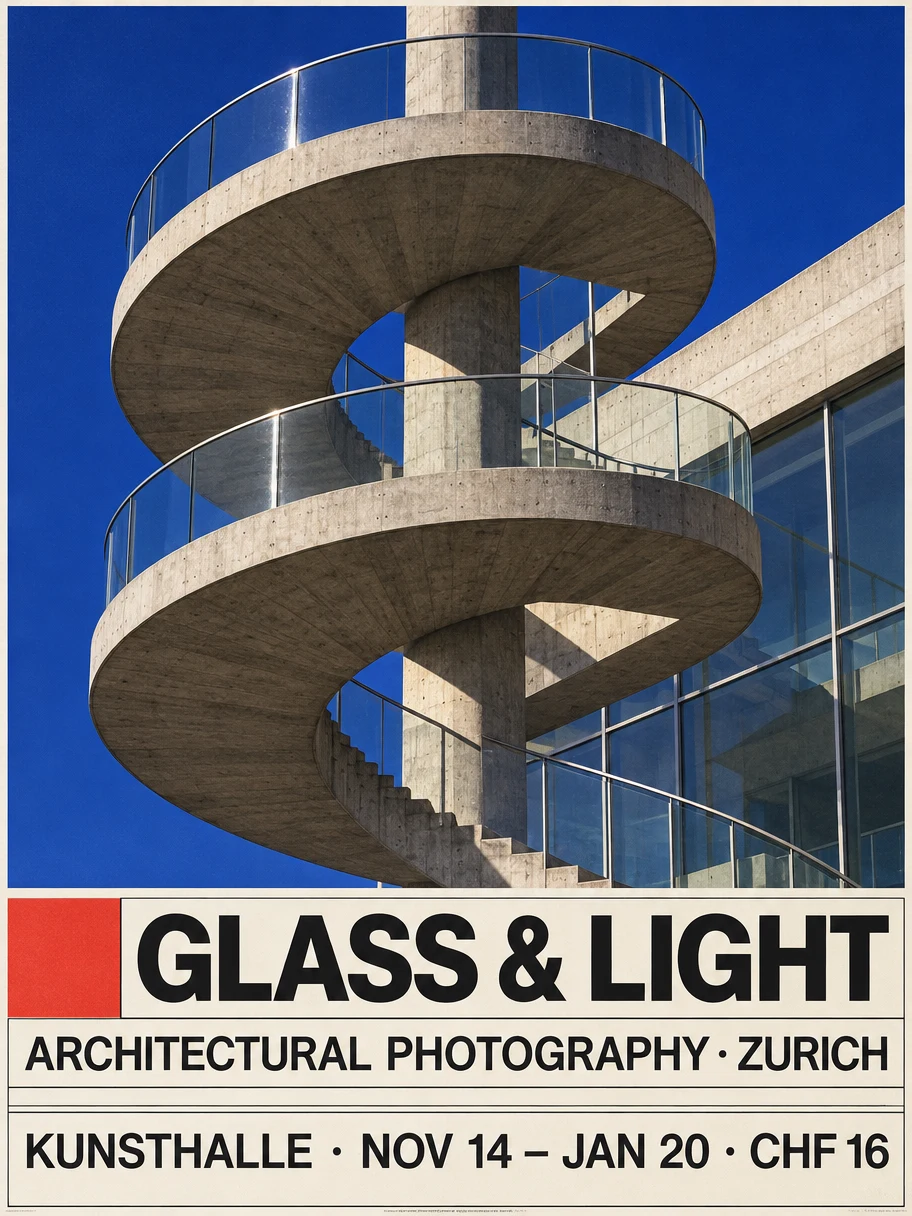
- Three-tier Latin posters run cleanly on fast Flare (Test 7). At 3:4 1K high (0.20 credits, ~15s), Flare nailed “GLASS & LIGHT”, “ARCHITECTURAL PHOTOGRAPHY · ZURICH”, and “KUNSTHALLE · NOV 14 – JAN 20 · CHF 16”, including every middle dot, en-dash, and currency figure, on the first take.
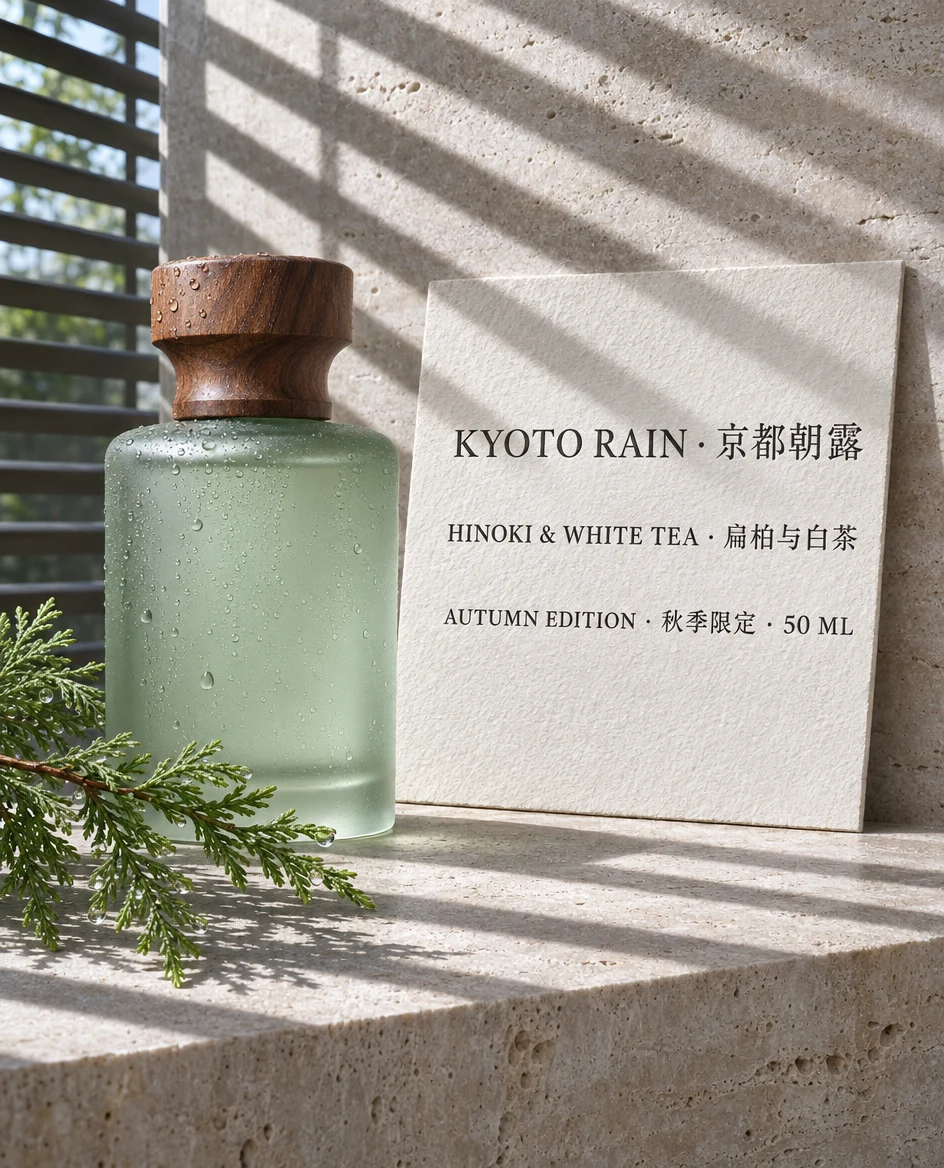
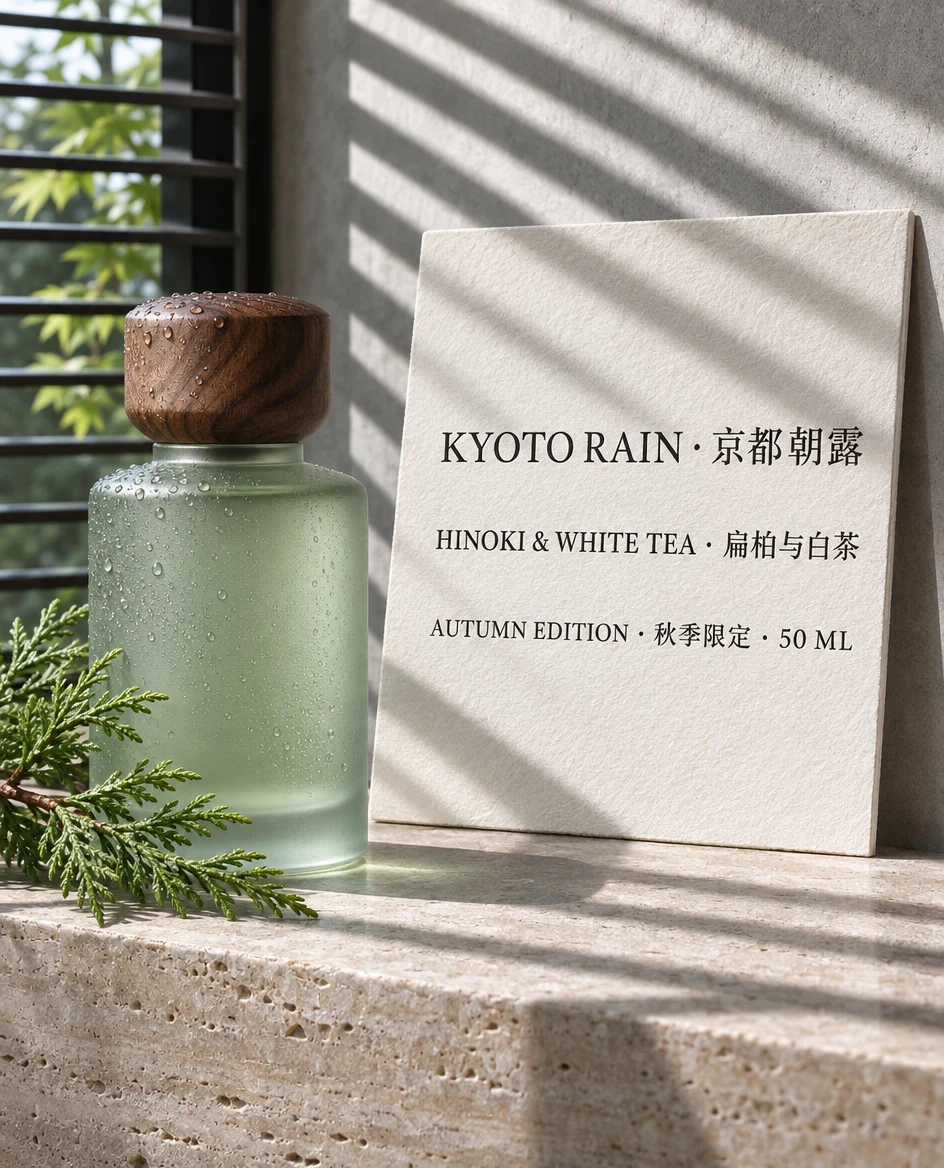
- Dense Simplified Chinese strokes hold at 1K high on Sunburst, while xhigh upgrades material micro-texture (Test 8). We tested 13 Simplified Chinese characters alongside English serif copy across three hierarchy sizes (“KYOTO RAIN · 京都朝露”, “HINOKI & WHITE TEA · 扁柏与白茶”, and “AUTUMN EDITION · 秋季限定 · 50 ML”). Zoomed to 100%, high quality (0.22 credits) already drew every stroke cleanly, including the 21-stroke character 露 and small-point 秋季限定. Stepping up to xhigh (0.38 credits, +73% cost) expanded output tokens from 1,453 to 2,582, buying deeper travertine wall joints and cotton-rag paper deboss rather than fixing broken glyphs, though you should still zoom-check dense 12pt CJK text on multi-row menus before publishing. For more layout templates, see our GPT Image 2 prompt patterns.
Test 7 · Flare 3:4 1K high · ~15s · 0.20 settled credits.
Test 8 · Sunburst 4:5 1K · 0.22 credits at high (~46s) · 0.38 credits at xhigh (~74s).
How Steady Are Reference Edits, Product Swaps, Characters, and Sketch Renders? (Tests 9–12)
Surgical Single-Detail Photo Edit + Video Timeline Handoff (Test 9)
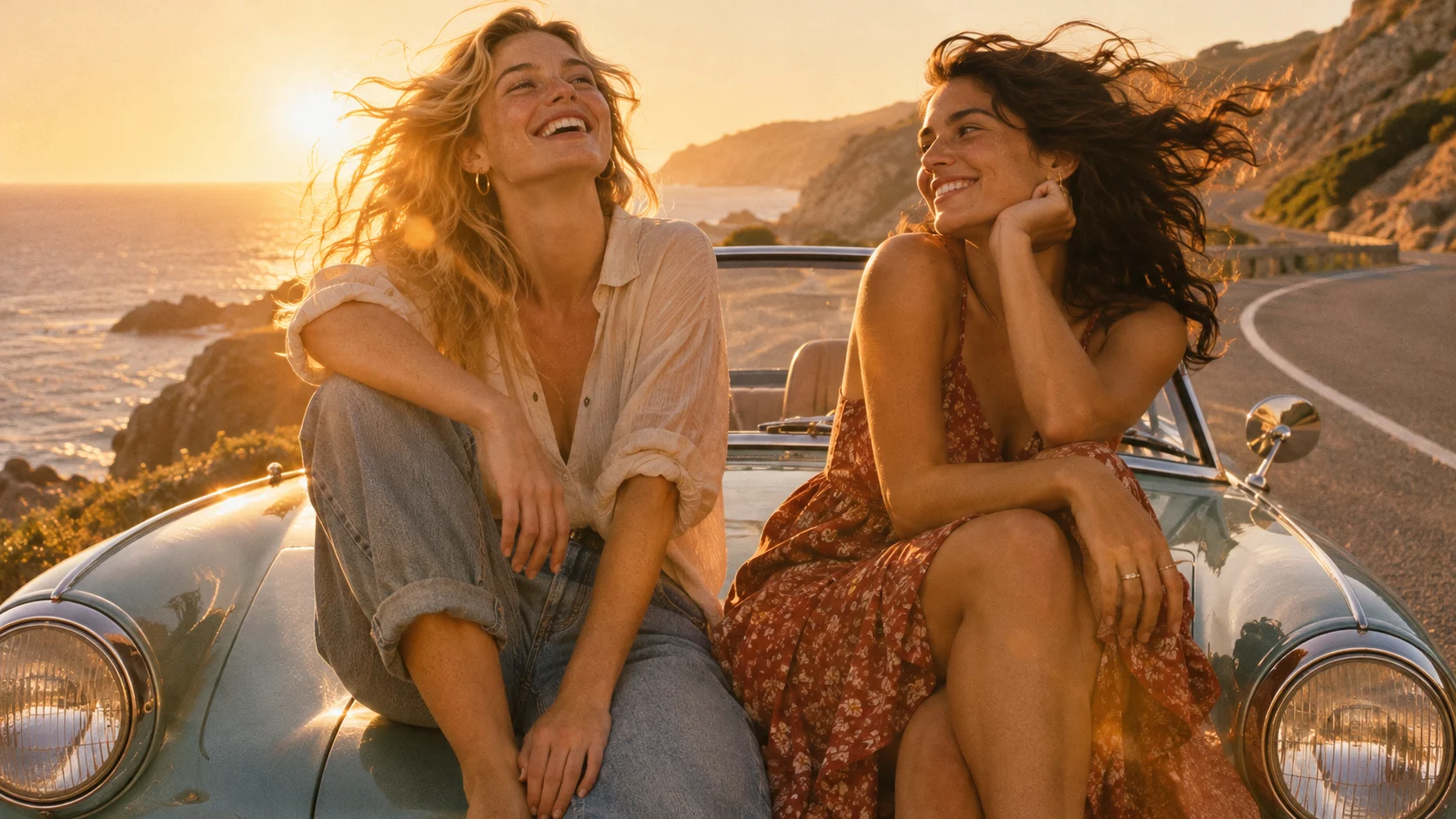
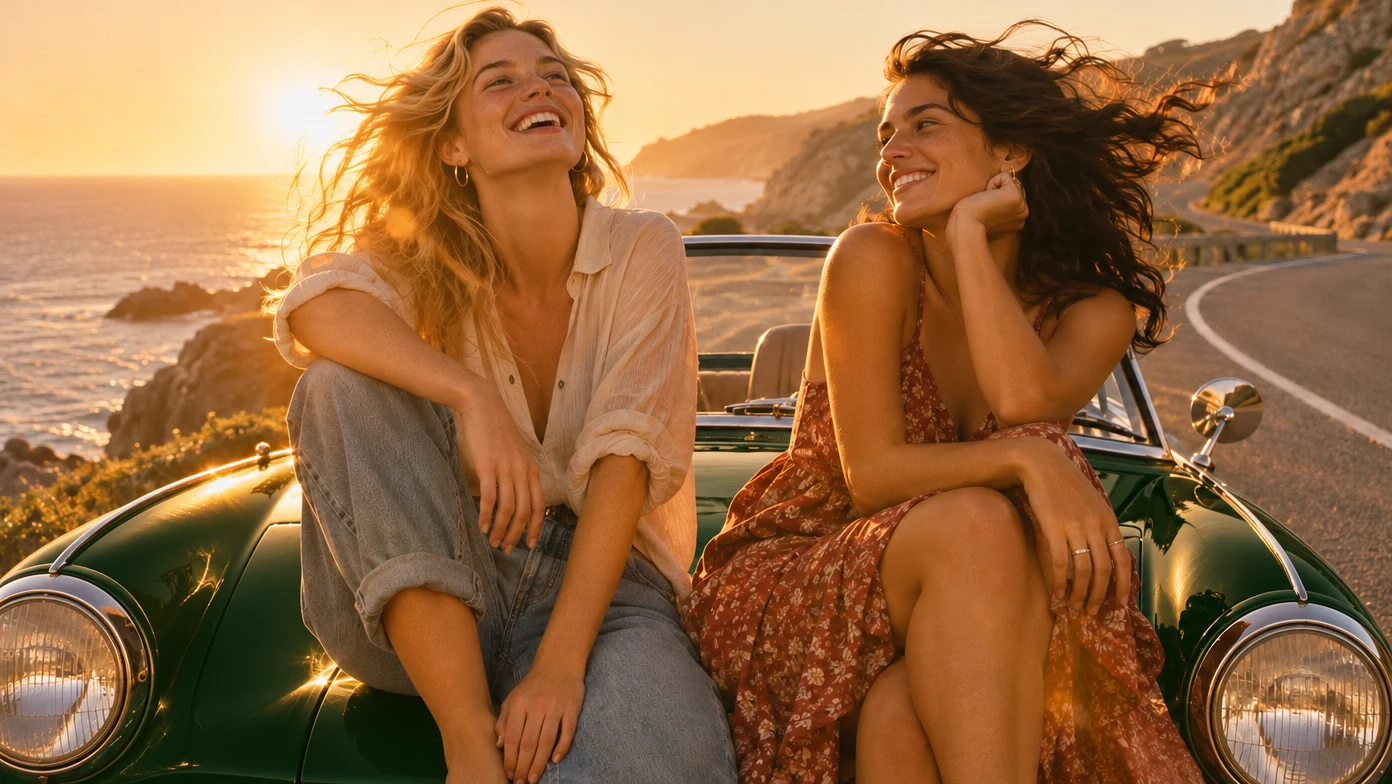
Attaching a reference photo adds input-image tokens on top of the base output quote. On Test 9, our 16:9 output quote was 0.15 credits, and the single reference photo added 0.06 credits (1,633 input tokens vs ~167 text-only), settling at 0.21 credits in 30 seconds on Sunburst with complexity: "low". Naming both the exact target (“ONLY the painted exterior body panels … to deep glossy British racing green”) and the explicit keep-list locked every windblown hair strand, freckle, hoop earring, denim cuff, and even the golden sunstar glint on the left fender.
Test 9 · Sunburst 16:9 1K high, low complexity + 1 reference image · ~30s · 0.21 settled credits (0.15 output + 0.06 reference input).
Studio Packshot to Dark Basalt Location Campaign (Test 10)
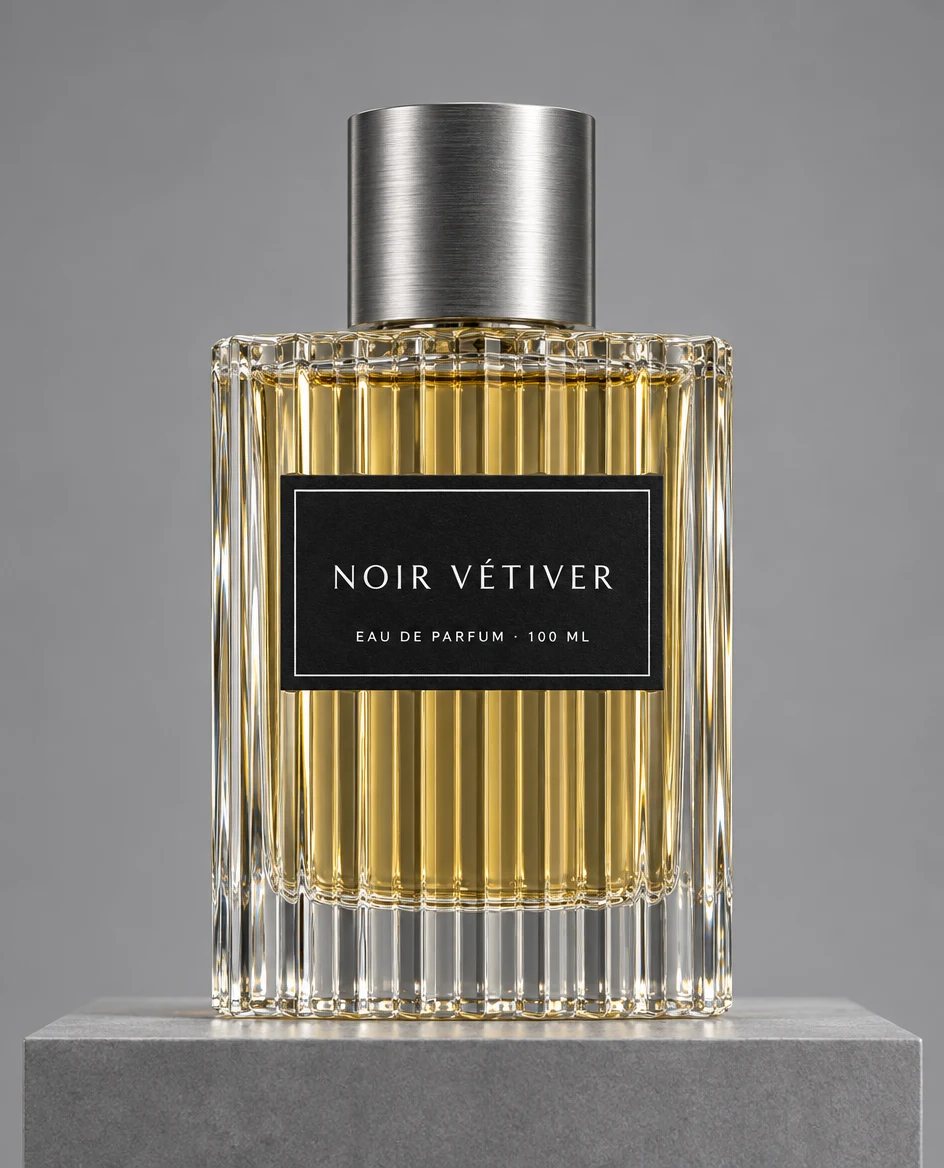
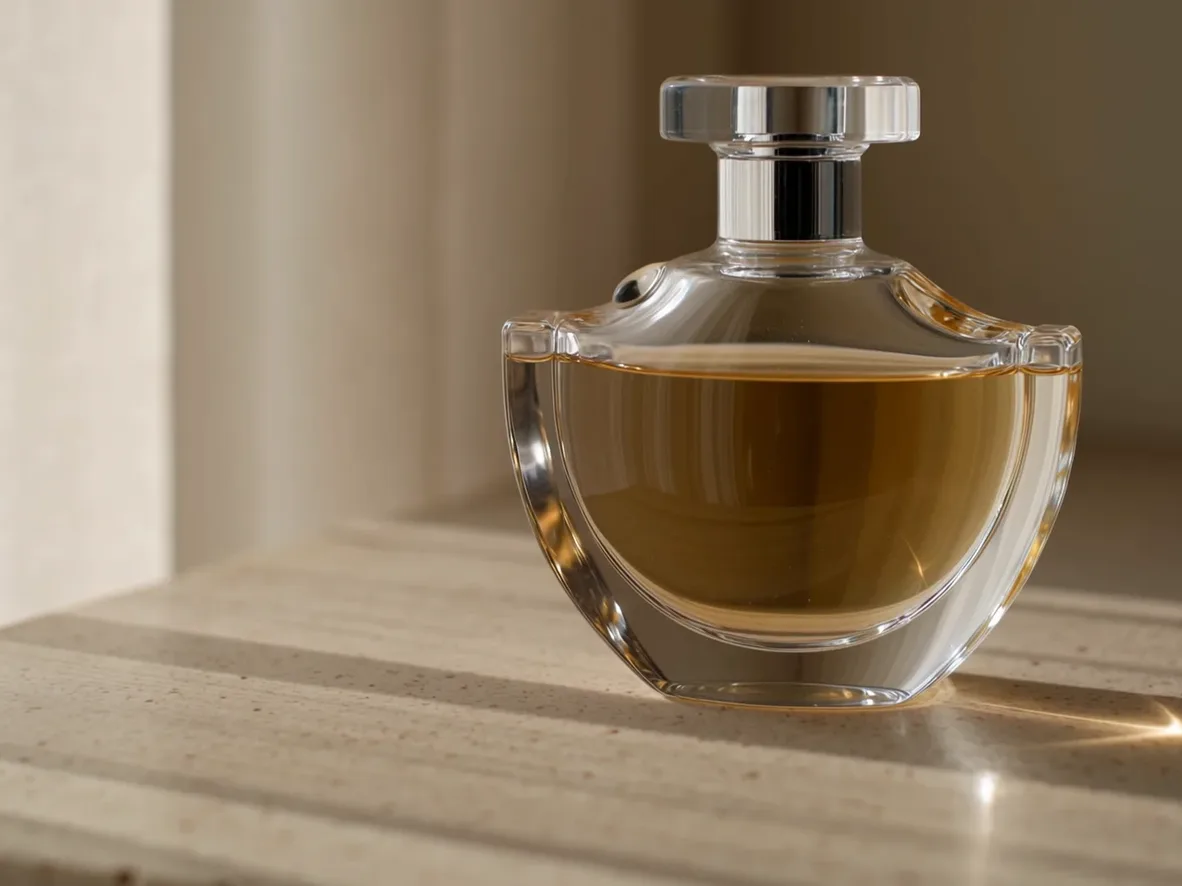
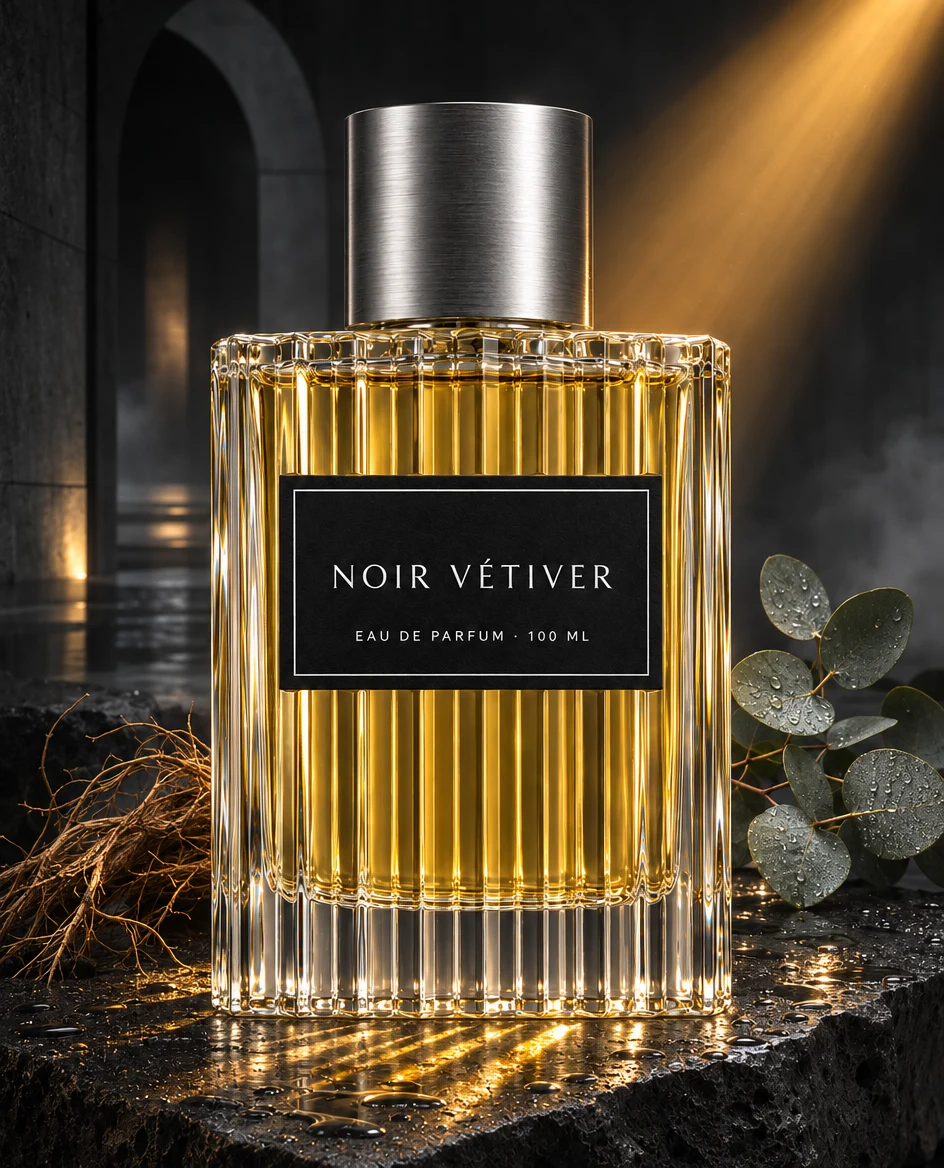
Relocating packaged goods fails whenever the model redraws bottle proportions or garbles small label copy. Pairing a fast Flare packshot (0.22 credits) with a Sunburst reference pass at low complexity (0.26 credits, including 0.05 credits for reference input tokens) preserved the exact flute count, brushed-chrome cap ratio, liquid meniscus, and “NOIR VÉTIVER” / “EAU DE PARFUM · 100 ML” typography, while projecting warm optical-snoot caustics through those vertical glass flutes onto wet volcanic stone.
Test 10B · Sunburst 4:5 1K high, low complexity + 1 reference image · ~38s · 0.26 settled credits.
Keeping a Character Consistent Across Lighting and Aspect Ratios (Test 11)
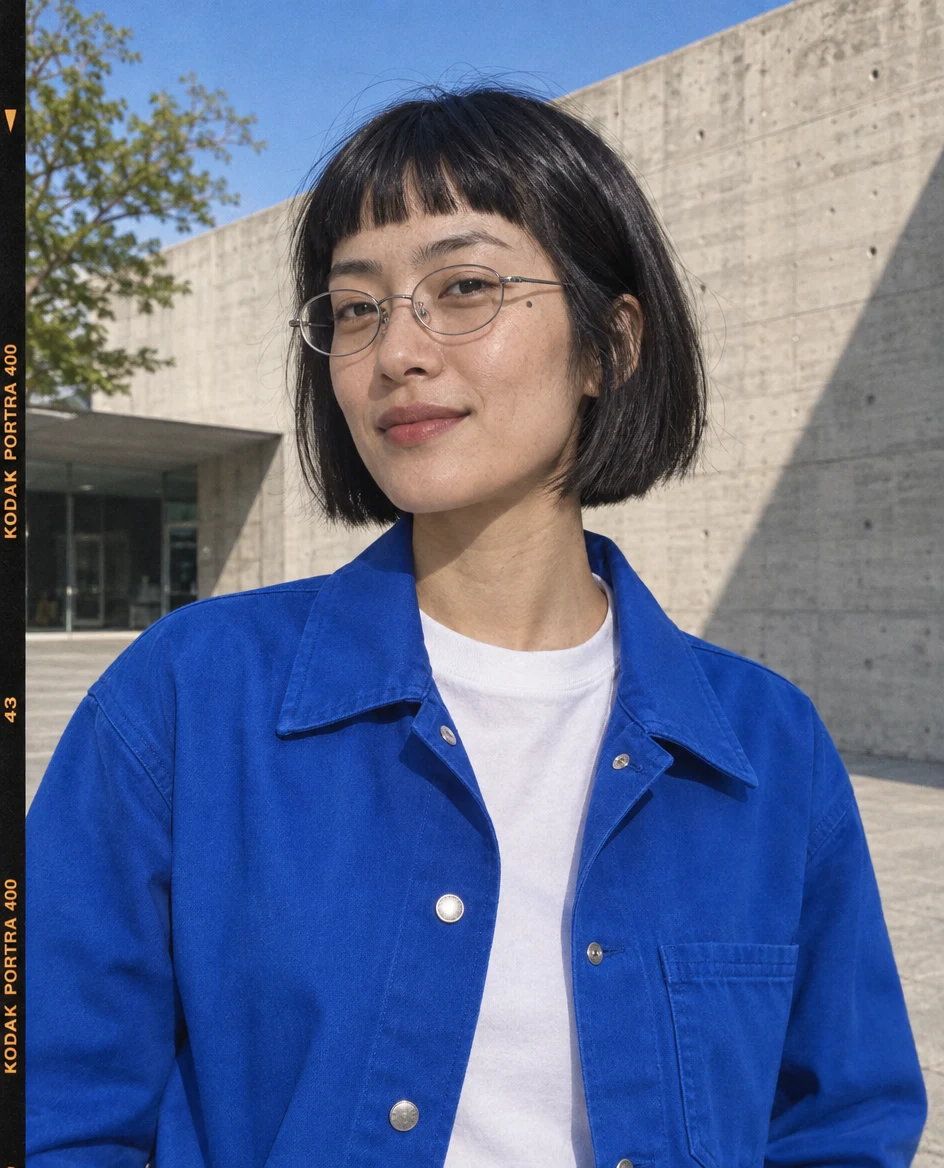
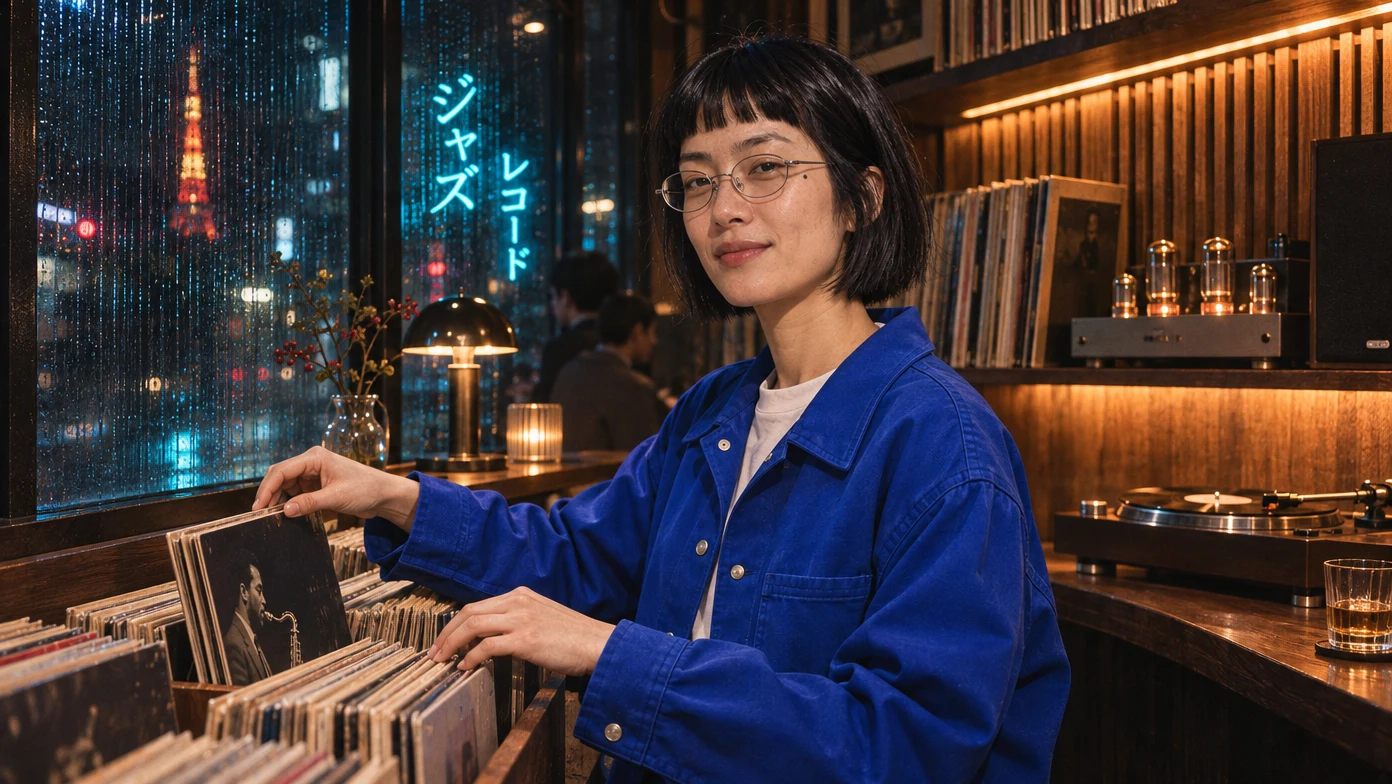
Jumping from a 4:5 sunlit museum courtyard to a 16:9 rainy midnight Tokyo vinyl bar stresses both facial identity and wardrobe color cast. Re-stating four concrete identity anchors from the reference portrait (chin-length bob with micro-bangs, thin silver oval wire-rim glasses, beauty mark below the left eye, and cobalt snap-button twill jacket over a white crew-neck tee) kept the character unmistakable at 0.20 credits (0.15 output + 0.05 reference input), while naturally re-lighting her skin and cobalt twill under warm vacuum-tube tungsten and cyan window neon (ジャズ レコード).
Test 11B · Sunburst 16:9 1K high, low complexity + 1 reference image · ~35s · 0.20 settled credits.
Turning an Architectural Ink Sketch into a Medium-Format Photograph (Test 12)
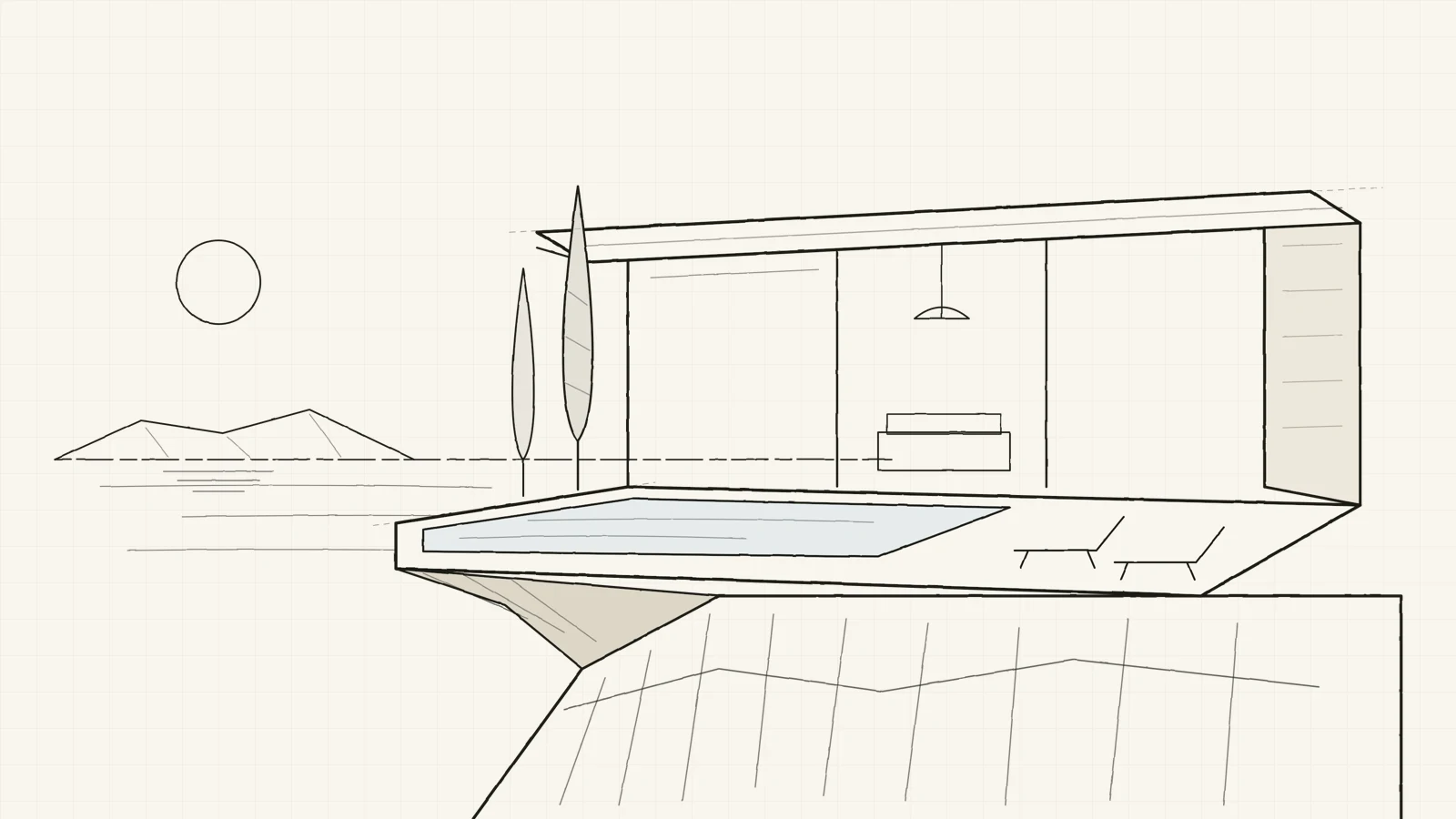
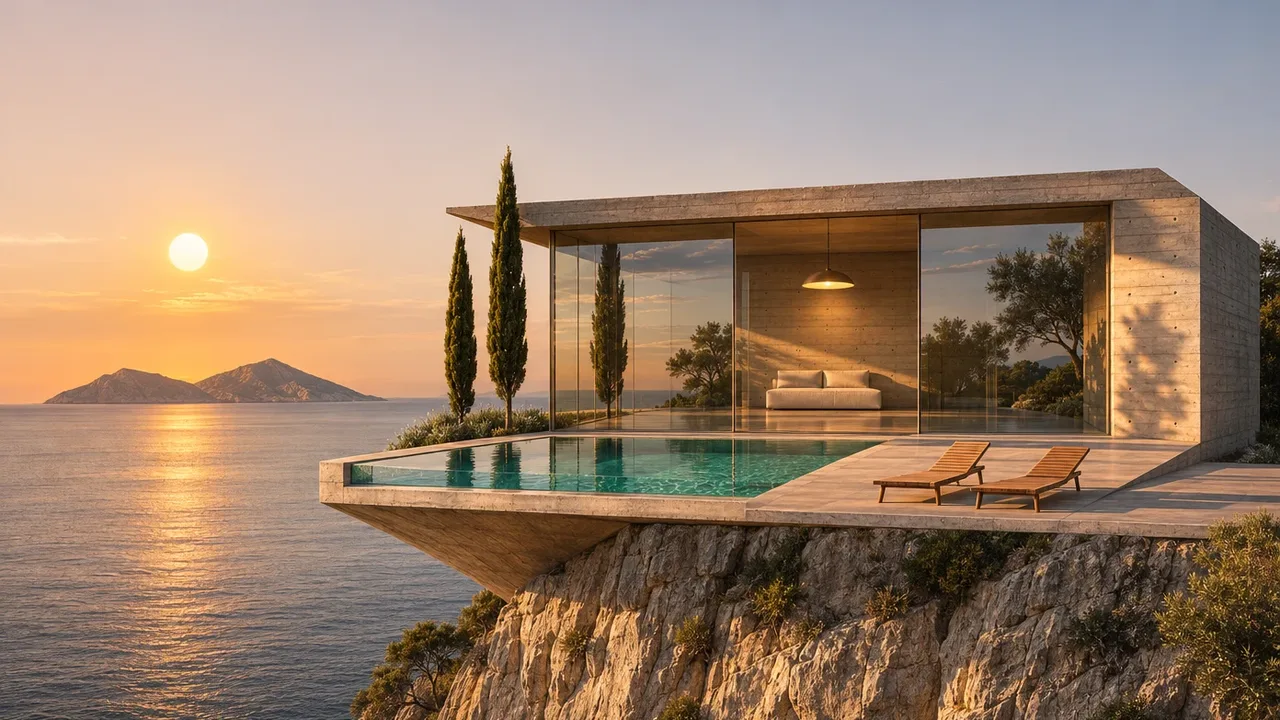
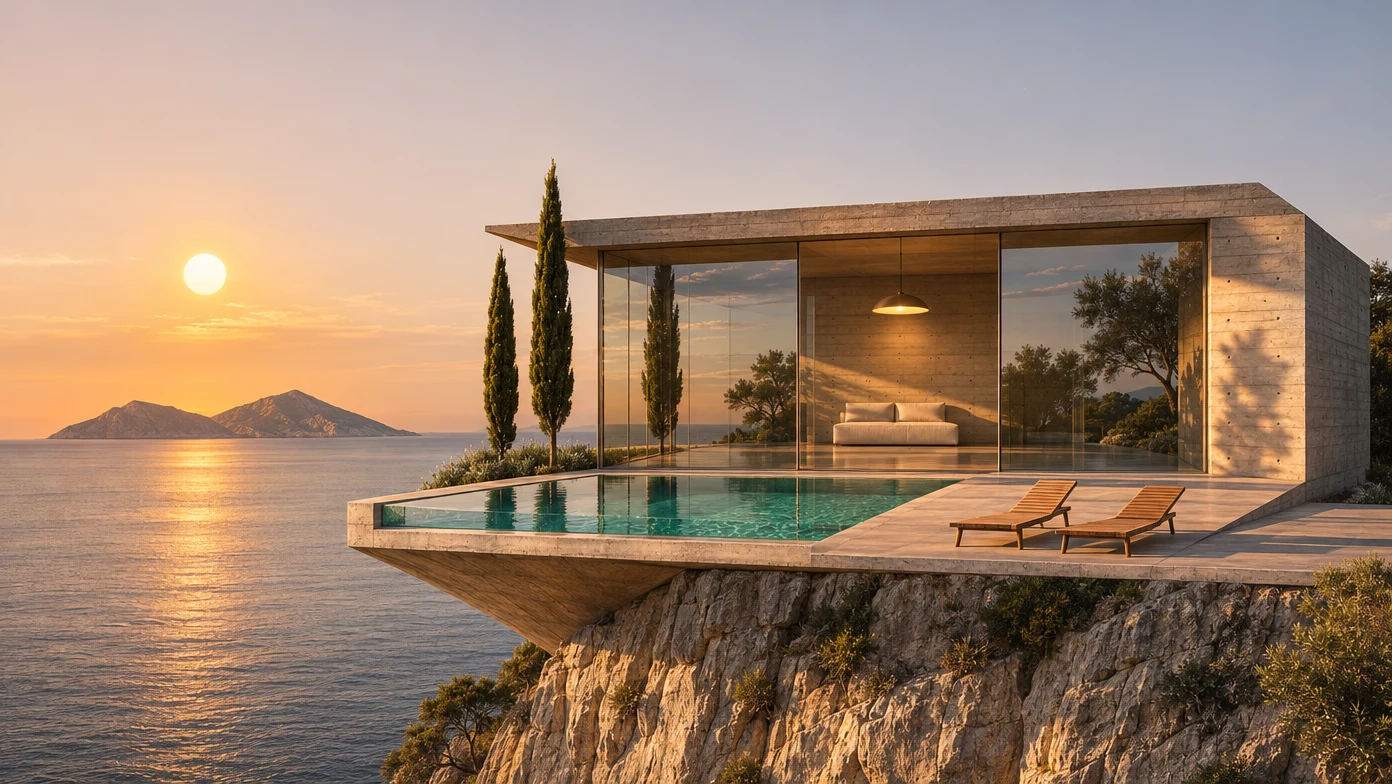
Unlike single-detail retouches where low complexity is faster, sketch-to-photo conversion benefits from complexity: "high" on Sunburst. At 0.21 credits (~54s), every structural line in our drawing (the twin island peaks beneath the low sun disk, the two cypresses at the left corner, the three glass bays with a single glowing dome pendant above a low linen sofa, the cantilevered glass-edge pool on the left, the two teak loungers on the right, and the angled concrete soffit strut meeting the limestone cliff) transferred into medium-format photography with zero leftover ink strokes.
Test 12 · Sunburst 16:9 1K high, high complexity + 1 sketch reference · ~54s · 0.21 settled credits.
All 12 Tests Compared: Credits, Timing, and When to Switch Models
Across all 24 runs in our Round 2 test suite, total settled spend was 6.30 credits, confirming that you can prototype an entire campaign’s stills, stickers, brand vectors, and looping GIFs for a few credits before spending video generation budget.
| Test | Capability tested | Best variant & key settings | Time | Output tokens | Settled credits | Key takeaway |
|---|---|---|---|---|---|---|
| 1 | Strobe beverage ad (Flare vs Sunburst × 3 + low) | Sunburst (or Flare) · 4:5 1K high | 21s (Flare) / 54s (Sunburst) | 1,454 / 1,453 (681 low) | 0.22 (0.11 low) | Same credit price; Sunburst obeyed base-splash placement 3/3 times |
| 2 | 6-part CNC hardware knolling (complexity low vs high) | Sunburst · 16:9 1K high, high complexity | 34s (low) / 52s (high) | 1,002 | 0.15 | Complexity adds 0 credits; high fixed bent lines into a 3×2 grid |
| 3 | Opaque 16:9 broadcast neon looping GIF | Flare · 16:9 1K GIF, 9 frames × 180 ms | ~24s | 3,337 | 0.49 | 1280×720 px frames; prompt frame 9 to match frame 1 |
| 4 | Transparent 1:1 cassette sticker looping GIF | Flare · 1:1 1K GIF, transparent, 8f × 150 ms | ~23s | 2,700 | 0.40 | True 960×960 BGRA alpha matte ready for video tracks |
| 5 | Editable 1K vector cinema club SVG | Sunburst · 1:1 1K SVG + <text> prompt | ~58s (25s Flare) | 1,795 | 0.47 (0.55 <path>) | Native <text> tag fixed 1 px glyph collision and cut cost 15% |
| 6 | Transparent RGBA filmmaker sticker sheet | Flare · 1:1 1K PNG, transparent | ~15s | 1,796 | 0.27 | Specify “unbranded” + inner cutouts for clean open-loop alpha |
| 7 | 3-tier Swiss Kunsthalle exhibition poster | Flare · 3:4 1K high | ~15s | 1,344 | 0.20 | Fast Flare nailed headlines, middle dots, en-dashes, and prices |
| 8 | Bilingual English + Simplified Chinese card | Sunburst · 4:5 1K high vs xhigh | 46s (high) / 74s (xhigh) | 1,453 / 2,582 | 0.22 / 0.38 | 1K high nailed all 13 Chinese characters; xhigh upgraded stone/paper grain |
| 9 | Surgical convertible paint edit (blue → racing green) | Sunburst · 16:9 1K high, low complexity + 1 ref | ~30s | 1,002 (+1,466 in) | 0.21 | +0.06 ref input credits; faces, hair strands, and sunstar stayed locked |
| 10 | Fluted fragrance bottle studio-to-basalt swap | Flare packshot → Sunburst low complexity + 1 ref | 16s + 38s | 1,454 + 1,453 | 0.22 + 0.26 | Preserved “NOIR VÉTIVER” label while casting golden flute caustics |
| 11 | Character transfer (4:5 daylight → 16:9 rainy night) | Flare portrait → Sunburst low complexity + 1 ref | 15s + 35s | 1,454 + 1,002 | 0.22 + 0.20 | Four explicit identity anchors held across aspect ratio and neon lighting |
| 12 | Architectural ink sketch to golden-hour photo | Sunburst · 16:9 1K high, high complexity + 1 ref | ~54s | 1,002 (+1,472 in) | 0.21 | High complexity kept pool, loungers, lamp, cypresses, and horizon 1:1 |
According to OpenAI’s Image Generation API documentation and Image Prompting guide, Images 2.6 caps GIFs and SVGs at the 1K sheet tier and handles short cyclic animations rather than multi-second camera moves. Inside ChatCut, pair each model with what it does best:
- Pick GPT Image 2.6 Flare for fast 15–24s commercial posters, transparent PNG sticker sheets, studio packshots, and 8–9 frame looping GIFs.
- Pick GPT Image 2.6 Sunburst at high complexity for multi-callout diagrams, bilingual CJK print cards, editable SVGs, and sketch-to-photo renders, and at low complexity for surgical reference edits, product relocations, and character scene transfers.
- Switch to Nano Banana Pro / 2.1 or Seedream 5.5 in ChatCut when you need up to 14 simultaneous reference images, ultra-wide 1:4 or 8:1 banners, or Seedream’s multi-layer RGBA decomposition (compare them in our GPT Image 2 vs Nano Banana Pro breakdown), and hand finished hero frames to Kling or Seedance for real camera movement.